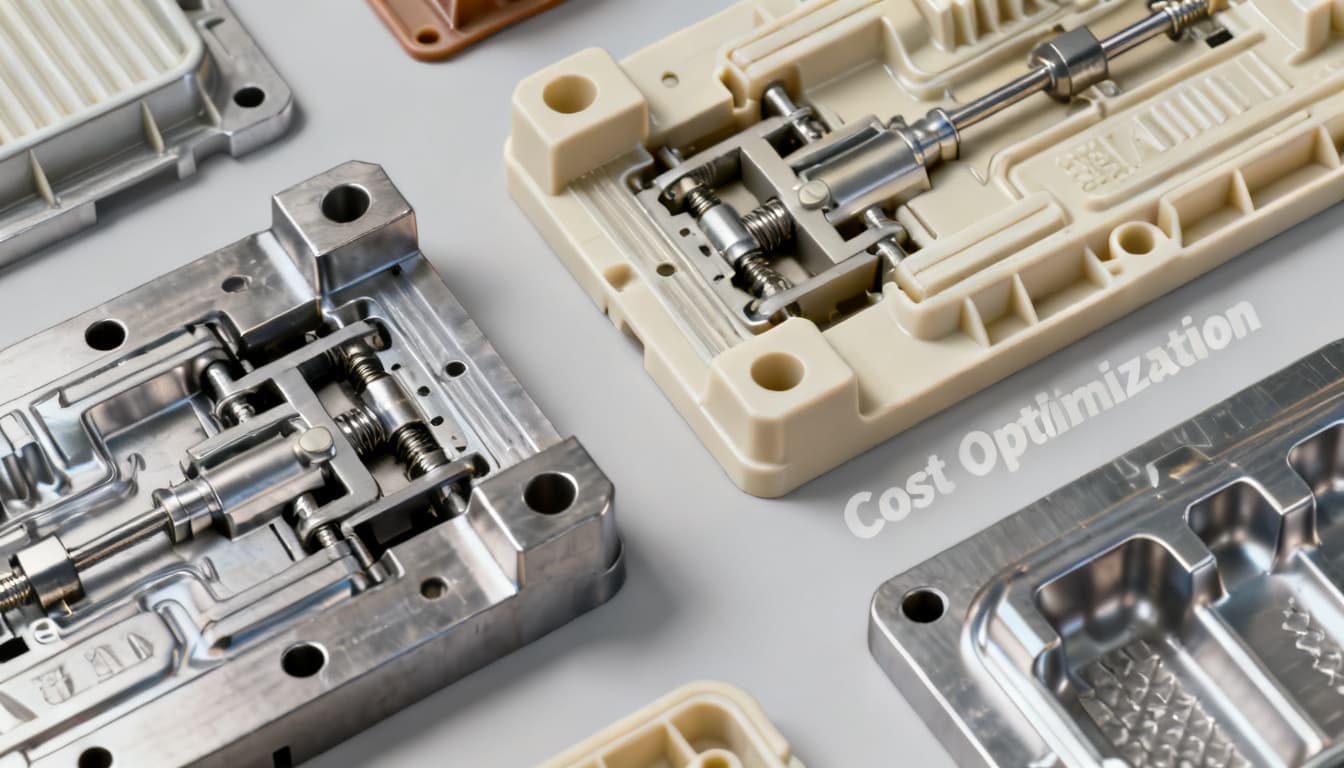
Cost Optimization in Injection Molding: Real Data Insights for Better Budgeting and Strategy
Injection molding is a cornerstone of modern manufacturing, yet the complexities involved can lead to costly inefficiencies. Understanding how to optimize costs without sacrificing quality is crucial for manufacturers aiming to stay competitive.
Cost Optimization in Injection Molding: Real Data Insights for Better Budgeting and Strategy
Injection molding is a cornerstone of modern manufacturing, yet the complexities involved can lead to costly inefficiencies. Understanding how to optimize costs without sacrificing quality is crucial for manufacturers aiming to stay competitive.
Understanding the Cost Drivers in Injection Molding
To effectively manage costs, it is essential to identify the primary cost drivers in injection molding. These include material selection, cycle time, machine utilization, and labor costs.
Material Selection
Material costs can account for up to 50% of the total production cost in injection molding. Choosing the right material not only impacts cost but also product quality and performance.
| Material | Cost per kg ($) | Melt Temp (°C) | Mold Temp (°C) |
|---|---|---|---|
| ABS | 2.50 | 220 | 70 |
| PP | 1.80 | 230 | 60 |
| PC | 3.00 | 280 | 90 |
| PA66 | 3.50 | 290 | 80 |
Cycle Time Optimization
Cycle time encompasses the total time taken to produce a single part, including injection, cooling, and ejection phases. Reducing cycle time can significantly lower costs.
For instance, optimizing cooling time by 10% can reduce overall cycle time by 5-7%, directly impacting production costs.
Leveraging Technology for Cost Savings
Technological advancements in injection molding equipment and software can lead to substantial cost reductions.
Advanced Process Monitoring
Using real-time monitoring systems, manufacturers can track parameters such as pressure, temperature, and cycle times to ensure consistency and prevent defects.
For example, maintaining injection pressure within ±5% of the optimal range can prevent flash defects, saving on material and rework costs.
Energy Efficiency
Energy consumption is a significant cost factor. Modern machines with energy-saving features can reduce electricity usage by 20-30% compared to older models.
Design for Manufacturability (DFM)
Incorporating DFM principles early in the design phase can minimize costs associated with rework and material waste.
Wall Thickness and Draft Angles
Adhering to design rules such as maintaining wall thickness between 1-3mm and draft angles of 0.5-2° can reduce material usage and improve mold release.
Common Design Mistakes
- Ignoring uniform wall thickness, leading to warpage and sink marks.
- Inadequate draft angles, causing ejection issues.
- Overlooking rib-to-wall thickness ratios, resulting in stress concentrations.
Real-World Examples and Lessons Learned
Drawing from practical experience, understanding common pitfalls and their solutions can enhance cost efficiency.
Case Study: Reducing Material Waste
In a project involving a consumer electronics component, switching from PC to a PC/ABS blend reduced material costs by 15% while maintaining necessary impact resistance.
Lesson Learned: Importance of Preventive Maintenance
Routine maintenance of molds and machines can prevent unexpected downtimes. A 5% increase in preventive maintenance investment can lead to a 20% reduction in repair costs.
Checklist for Cost Optimization
- Conduct a thorough material cost analysis and selection.
- Regularly review and optimize cycle times.
- Invest in energy-efficient machinery.
- Incorporate DFM principles early in the design process.
- Implement a robust preventive maintenance program.
Practical Tip: Engage with an experienced injection molding partner early in the design phase. They can provide valuable insights into cost-saving opportunities and help avoid costly mistakes. Get a free quote to explore how expert guidance can optimize your project.
Conclusion
Cost optimization in injection molding is a multifaceted challenge that requires careful consideration of materials, process parameters, and design principles. By leveraging technology, adhering to industry best practices, and learning from real-world experiences, manufacturers can achieve significant cost savings while maintaining high product quality. Implementing these strategies not only enhances competitiveness but also ensures sustainable growth in an ever-evolving market.