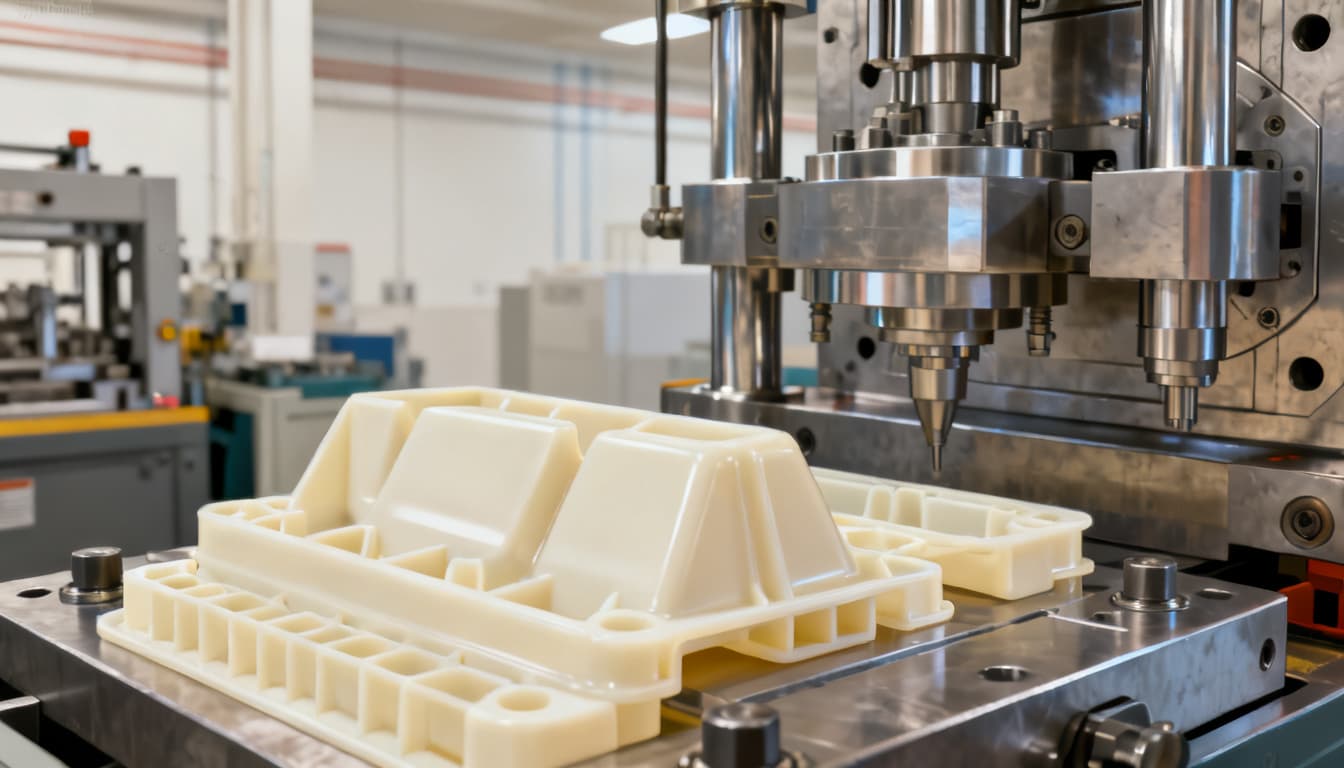
Houston Injection Molding: Key Advantages for Local Manufacturers in 2026
In 2026, local manufacturers in Houston are increasingly turning to injection molding as a viable production method. This shift is driven by a combination of economic factors, technological advancements, and the strategic advantages of local production. Understanding these benefits can help manufact
Houston Injection Molding: Key Advantages for Local Manufacturers in 2026
In 2026, local manufacturers in Houston are increasingly turning to injection molding as a viable production method. This shift is driven by a combination of economic factors, technological advancements, and the strategic advantages of local production. Understanding these benefits can help manufacturers make informed decisions about their production strategies.
Strategic Location and Economic Benefits
Houston's strategic location offers significant economic advantages for manufacturers utilizing injection molding. The proximity to major shipping ports and extensive transportation networks facilitates efficient distribution, reducing logistics costs and lead times.
Proximity to Raw Material Suppliers
Houston is home to a robust petrochemical industry, providing easy access to raw materials such as polyethylene (PE), polypropylene (PP), and polyvinyl chloride (PVC). This proximity reduces material transportation costs and ensures a steady supply chain.
Cost-Effective Production
The cost of production in Houston is competitive compared to other regions. Factors such as lower energy costs and favorable tax incentives contribute to reduced overheads, allowing manufacturers to offer competitive pricing.
Advanced Technology and Expertise
Houston's injection molding industry benefits from cutting-edge technology and a skilled workforce, fostering innovation and high-quality production.
State-of-the-Art Equipment
The use of modern machinery, such as electric and hybrid injection molding machines, enhances precision and efficiency. These machines offer better control over parameters like melt temperature (typically 200-250°C for ABS) and injection pressure (ranging from 800 to 1,500 bar).
Skilled Workforce
Houston's workforce is well-versed in the latest injection molding techniques. Continuous training and collaboration with local universities ensure that the workforce remains at the forefront of industry developments.
Material Versatility and Customization
Injection molding in Houston allows for a wide range of materials and customization options, catering to diverse industry needs.
Material Selection
| Material | Melt Temperature (°C) | Mold Temperature (°C) | Typical Applications |
|---|---|---|---|
| ABS | 200-250 | 50-80 | Automotive parts, consumer goods |
| PP | 180-230 | 20-70 | Packaging, household items |
| PC | 270-320 | 80-110 | Optical discs, eyewear |
Customization Capabilities
From intricate designs to varied color options, injection molding offers customization to meet specific client requirements. This flexibility is crucial for industries such as automotive and consumer electronics, where aesthetic and functional specifications are paramount.
Quality Control and Standards Compliance
Adhering to industry standards and implementing stringent quality control measures ensure the production of high-quality injection molded parts in Houston.
Quality Control Processes
Quality assurance involves comprehensive testing, including dimensional analysis and stress testing, to ensure parts meet ISO 9001 and ASTM D638 standards. Regular audits and inspections are integral to maintaining quality.
Common Defects and Solutions
| Defect | Cause | Solution |
|---|---|---|
| Warping | Uneven cooling | Optimize mold temperature and cooling time |
| Flash | Excessive injection pressure | Adjust injection pressure and mold clamping force |
| Short Shot | Insufficient material flow | Increase injection speed and pressure |
Environmental Considerations
With growing environmental concerns, Houston's injection molding industry is adopting sustainable practices to minimize its ecological footprint.
Recycling and Waste Reduction
Many manufacturers are implementing recycling programs to reuse scrap materials, reducing waste and production costs. Using biodegradable polymers is another avenue being explored to enhance sustainability.
Energy Efficiency
Energy-efficient machines and processes, such as optimized cycle times (typically 30-60 seconds depending on part complexity), help reduce energy consumption and lower operational costs.
Practical Tip: When designing parts for injection molding, ensure uniform wall thickness (1-3mm) and incorporate draft angles (0.5-2°) to facilitate demolding and reduce defects.
Conclusion
In 2026, Houston stands out as a hub for injection molding, offering local manufacturers strategic advantages such as cost-effective production, material versatility, and adherence to quality standards. By leveraging these benefits, manufacturers can enhance their competitive edge in a rapidly evolving market.
For those interested in exploring injection molding services, get a free quote from Panda Molding to discuss your specific needs and discover how we can support your production goals.