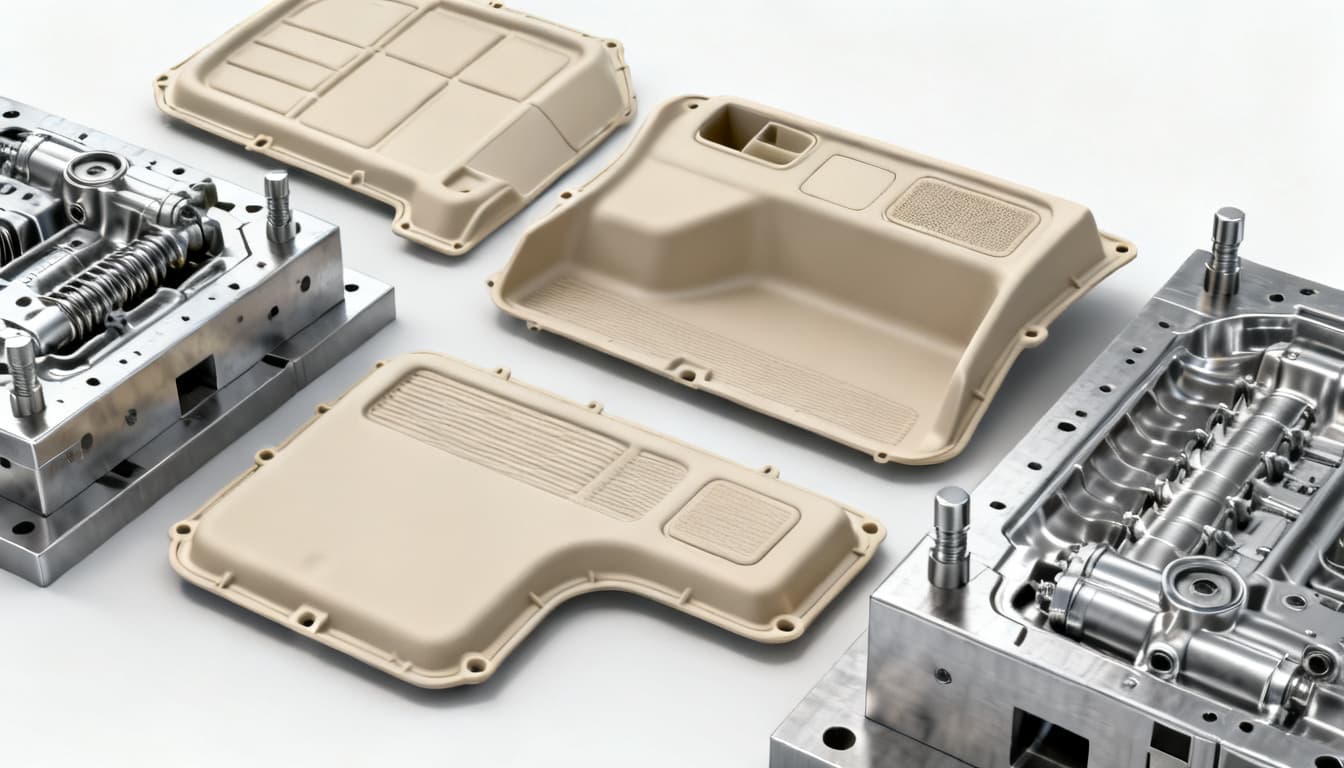
Tailored Solutions: Choosing the Right Automotive Molding Services for Your Project
In the competitive automotive industry, selecting the appropriate injection molding services can make or break a project. With a myriad of materials and processing options available, understanding the nuances of each can streamline production and enhance product performance. This guide aims to equip
Tailored Solutions: Choosing the Right Automotive Molding Services for Your Project
In the competitive automotive industry, selecting the appropriate injection molding services can make or break a project. With a myriad of materials and processing options available, understanding the nuances of each can streamline production and enhance product performance. This guide aims to equip you with the knowledge to make informed decisions tailored to your specific needs.
Understanding Material Selection for Automotive Applications
Choosing the right material for automotive components is crucial, as it affects durability, weight, and cost. Here, we delve into some common materials used in automotive molding.
Thermoplastics and Their Properties
Thermoplastics like ABS, PP, and PC are commonly used in automotive applications due to their versatility and ease of processing.
| Material | Properties | Common Applications |
|---|---|---|
| ABS (Acrylonitrile Butadiene Styrene) | Good impact resistance, easy to mold | Dashboard components, interior trims |
| PP (Polypropylene) | Lightweight, chemical resistance | Bumpers, battery cases |
| PC (Polycarbonate) | High impact strength, transparency | Headlamp lenses, safety glasses |
Engineering Plastics for High-Performance Needs
For applications requiring enhanced performance, engineering plastics such as PA66 and POM are preferred.
| Material | Properties | Common Applications |
|---|---|---|
| PA66 (Nylon 66) | High mechanical strength, thermal resistance | Engine covers, gears |
| POM (Polyoxymethylene) | Low friction, high stiffness | Fuel system components, door handles |
Key Process Parameters in Automotive Injection Molding
Understanding the critical process parameters can help optimize production and reduce defects in automotive parts.
Melt Temperature and Mold Temperature
These temperatures are crucial for achieving the desired material flow and part quality.
- ABS: Melt Temperature: 220-250°C, Mold Temperature: 50-70°C
- PP: Melt Temperature: 200-250°C, Mold Temperature: 20-50°C
- PC: Melt Temperature: 270-320°C, Mold Temperature: 80-120°C
Injection Pressure and Cycle Time
Optimal injection pressure and cycle time ensure part integrity and cost-effectiveness.
- ABS: Injection Pressure: 60-100 MPa, Cycle Time: 30-60 seconds
- PP: Injection Pressure: 50-90 MPa, Cycle Time: 20-50 seconds
- PC: Injection Pressure: 80-140 MPa, Cycle Time: 40-80 seconds
Design Considerations for Automotive Parts
Designing automotive parts requires adherence to specific guidelines to ensure manufacturability and performance.
Wall Thickness and Draft Angles
Maintaining consistent wall thickness and appropriate draft angles is essential to prevent defects like warping and ensure easy part ejection.
- Wall Thickness: 1-3 mm
- Draft Angles: 0.5-2°
Common Defects and Solutions
Identifying and mitigating defects is crucial for maintaining quality standards.
- Warping: Caused by uneven cooling; solution includes uniform wall thickness and proper cooling management.
- Sink Marks: Result from thick sections; solution involves designing with consistent wall thickness and using ribbing.
Choosing the Right Injection Molding Partner
Selecting a reliable partner is vital for the success of your automotive project. Consider the following factors:
Technical Expertise and Capabilities
Assess the technical expertise and capabilities of potential partners. A provider like Panda Molding offers rapid tooling, material expertise, and stringent quality control.
Quality Assurance and Compliance
Ensure your partner adheres to industry standards such as ISO 9001 for quality management and ISO 14001 for environmental management.
Cost and Time Efficiency
Evaluate the cost-effectiveness and lead times of different service providers. A detailed cost breakdown can aid in making a balanced decision.
| Service Provider | Cost per Unit | Lead Time |
|---|---|---|
| Panda Molding | $2.50 | 2 weeks |
| Competitor A | $3.00 | 3 weeks |
| Competitor B | $2.80 | 2.5 weeks |
Checklist for Selecting Automotive Molding Services
- Identify material requirements based on application.
- Evaluate potential partners' technical expertise and capabilities.
- Review quality assurance protocols and compliance with industry standards.
- Analyze cost and time efficiency of service providers.
- Request a detailed quote and timeline for project completion.
- Consider feedback or reviews from previous clients.
Practical Tip: When selecting a molding service, prioritize partners who offer comprehensive support from design to production. This ensures a seamless transition from concept to final product.
Conclusion
Choosing the right automotive molding services requires a strategic approach, balancing material properties, process parameters, and partner capabilities. By understanding these elements, you can optimize your project for performance, cost, and quality. For tailored solutions and expert guidance, consider reaching out to get a free quote from Panda Molding.